gate valve versus ball valve
For B2B sourcing, a gate valve versus ball valve comparison should begin with the valve type stated in the project documentation rather than treating the two names as interchangeable. Relia lists Ball Valve and Gate Valve as distinct product categories, with separate subcategories under each family. This structure supports a clear procurement path: first confirm whether the project calls for a ball valve or a gate valve; then identify the relevant construction or product configuration within that family.
The ball valve range has the broadest configuration selection in the supplied product portfolio. Available ball valve categories include standard Ball Valve, Floating Ball Valve, Trunnion Mounted Ball Valve, Metal Seated Ball Valve, Fully Welded Ball Valve, and Top Entry Ball Valve. The catalog also identifies Class 150 Ball Valve, Class 300 Ball Valve, and Class 600 Ball Valve as product options. These named options should be carried directly into the enquiry or purchasing specification where they match the project requirement. For example, a request can identify the required family as ball valve and then specify whether the required product is floating, trunnion mounted, metal seated, fully welded, or top entry.
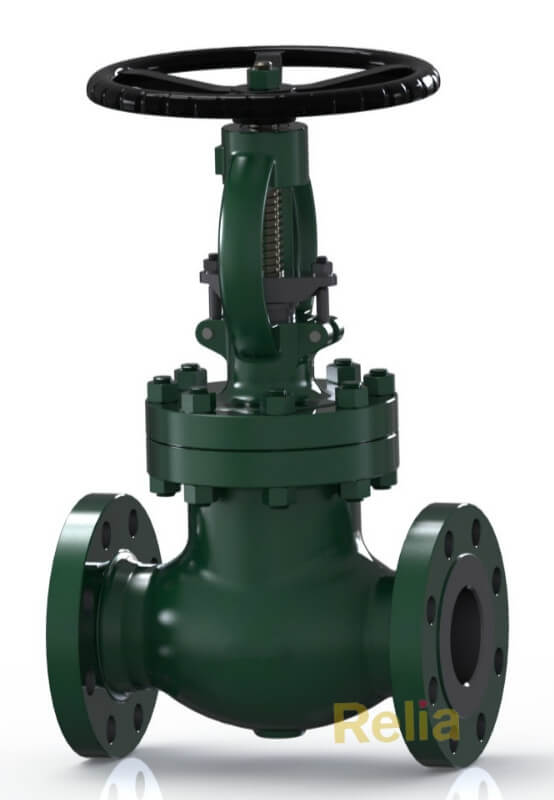
Gate valve sourcing follows a more focused product path. The listed gate valve options are Gate Valve, Cast Steel Gate Valve, and Forged Steel Gate Valve. The product-feature material also lists Class 150, Class 300, Class 600, and Class 900–2500 gate valve headings for cast steel gate valves. When the requirement is for a gate valve, the enquiry should therefore clearly state whether cast steel or forged steel is required and should include the applicable class reference where the project has defined one.
A disciplined comparison is especially useful when several teams are involved in a project. Engineering can establish the required valve family and configuration. Procurement can retain that terminology in the RFQ. Suppliers can then quote against a consistent product description. This reduces the risk of comparing a floating ball valve with a gate valve merely because both are listed under the broader valve category. It also helps buyers compare quotations at the correct level: valve family first, then named design, material category, and class designation where applicable.
For a ball valve RFQ, use a description such as: “Ball Valve — [Floating / Trunnion Mounted / Metal Seated / Fully Welded / Top Entry] — [Class 150 / Class 300 / Class 600, if required].” This format reflects the named options in the product range and makes the required configuration visible at the start of the enquiry. If the project specification simply says “ball valve,” the buyer can retain that designation and request the suitable listed configuration based on the project’s internal engineering requirements.
For a gate valve RFQ, use a description such as: “Gate Valve — [Cast Steel / Forged Steel] — [Class reference required by the project].” The cast steel gate valve feature listing includes Class 150, Class 300, Class 600, and Class 900–2500 headings, making class designation an important item to preserve whenever it appears in the project specification.
The direct answer is therefore straightforward: select a ball valve when the approved equipment list or specification identifies a ball valve and then choose the relevant Relia configuration; select a gate valve when the requirement identifies a gate valve and then choose cast steel or forged steel as specified. For buyers comparing options before final engineering selection, keep the decision organized around the exact product-family name, the named configuration, and the class designation used in the project documents.
Get a quote
Tell us what you need and we reply with pricing and lead time.
WhatsApp Email